US Military Spending: 8% Increase in Upcoming Fiscal Year
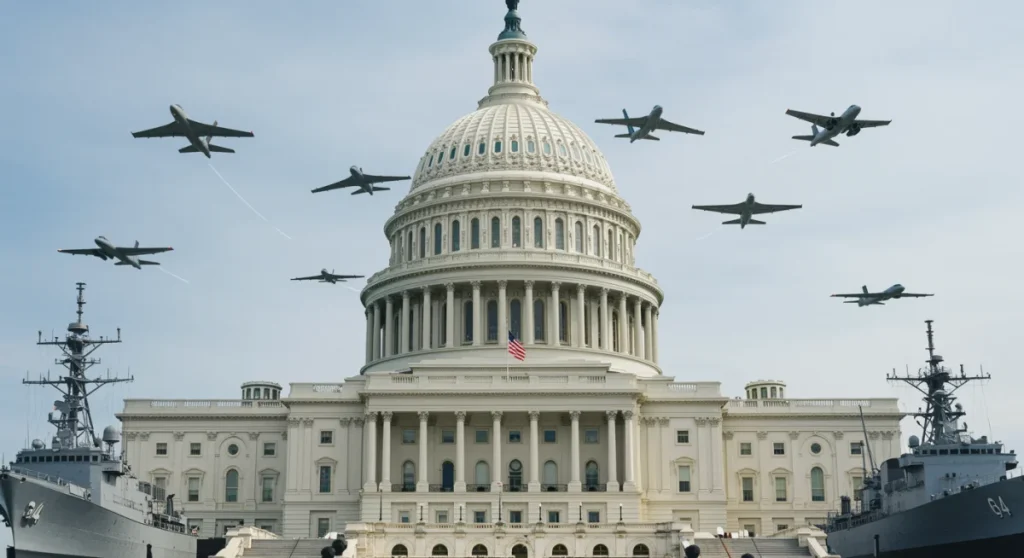
The projected 8% increase in US military spending for the upcoming fiscal year signals a strategic shift in national defense priorities, aiming to modernize forces and enhance global security capabilities.
The recent announcement of an 8% increase in US military spending for the upcoming fiscal year has sent ripples across domestic policy discussions and international strategic circles. This substantial budgetary boost signals a renewed commitment to national security and global influence, prompting questions about its necessity, impact, and long-term implications. What does this significant rise mean for the nation’s defense capabilities, its economic landscape, and its standing on the world stage?
Advertisements
Understanding the Proposed 8% Increase
The proposed 8% increase in the US military budget is not merely a numerical adjustment; it represents a comprehensive strategic decision. This augmentation is driven by a confluence of geopolitical factors, technological advancements, and a re-evaluation of global threats. The aim is to ensure the United States maintains its qualitative military edge and effectively addresses emerging challenges.
Key Drivers Behind the Budget Hike
Several critical elements are fueling this significant budgetary expansion. One primary driver is the need for modernization across all branches of the armed forces. Many existing platforms and systems are aging, requiring substantial investment to bring them up to contemporary standards and prepare them for future conflicts. Another significant factor is the evolving global security landscape, characterized by increased competition from peer adversaries and the persistent threat of non-state actors.
- Geopolitical Competition: Rising tensions with various global powers necessitate a stronger defensive and deterrent posture.
- Technological Advancement: Investing in cutting-edge technologies like AI, cyber warfare, and hypersonics is crucial to maintaining military superiority.
- Infrastructure Modernization: Upgrading bases, facilities, and logistical networks is essential for operational readiness.
- Personnel Support: Ensuring competitive pay, benefits, and training for service members remains a high priority.
Furthermore, the budget increase is intended to replenish stockpiles of munitions and equipment that have been drawn down due to ongoing global commitments and support to allies. This replenishment is vital for sustained operational capacity and readiness in various contingencies.
Impact on National Defense Capabilities
An 8% increase in military spending directly translates into enhanced national defense capabilities. This substantial investment will fund critical programs aimed at modernizing existing forces, developing next-generation weaponry, and improving the overall readiness of the military. The goal is to create a more agile, resilient, and technologically advanced fighting force capable of deterring aggression and responding effectively to threats.
Modernizing the Armed Forces
A significant portion of the new budget will be allocated to modernizing the Army, Navy, Air Force, Marine Corps, and Space Force. This includes procuring advanced fighter jets like the F-35, upgrading naval fleets with new destroyers and submarines, and investing in advanced ground combat vehicles. The emphasis is on multi-domain operations, ensuring seamless integration and communication across land, sea, air, space, and cyberspace.
- Air Dominance: Funding for new aircraft, stealth technologies, and advanced missile systems.
- Naval Power: Investment in shipbuilding, including aircraft carriers, destroyers, and submarines, to project power globally.
- Ground Modernization: Development of new armored vehicles, precision artillery, and soldier-borne technologies.
The increased funding also facilitates more extensive training exercises, allowing service members to hone their skills in realistic environments and adapt to evolving combat scenarios. This readiness is paramount for maintaining a credible deterrent and ensuring rapid response capabilities.
Economic Implications of Increased Spending
The influx of an additional 8% into the defense budget will undoubtedly have significant economic repercussions across the United States. While critics often highlight the opportunity costs of military spending, proponents point to its role in job creation, technological innovation, and regional economic development. The economic impact is multifaceted, affecting various sectors from manufacturing to research and development.
Job Creation and Industrial Growth
A larger defense budget typically leads to an increase in contracts for defense manufacturers, aerospace companies, and technology firms. This surge in activity often translates into new job opportunities, particularly in states with a strong defense industry presence. These jobs range from highly skilled engineers and scientists to manufacturing technicians and support staff. The economic boost can be significant for local economies reliant on defense contracts.
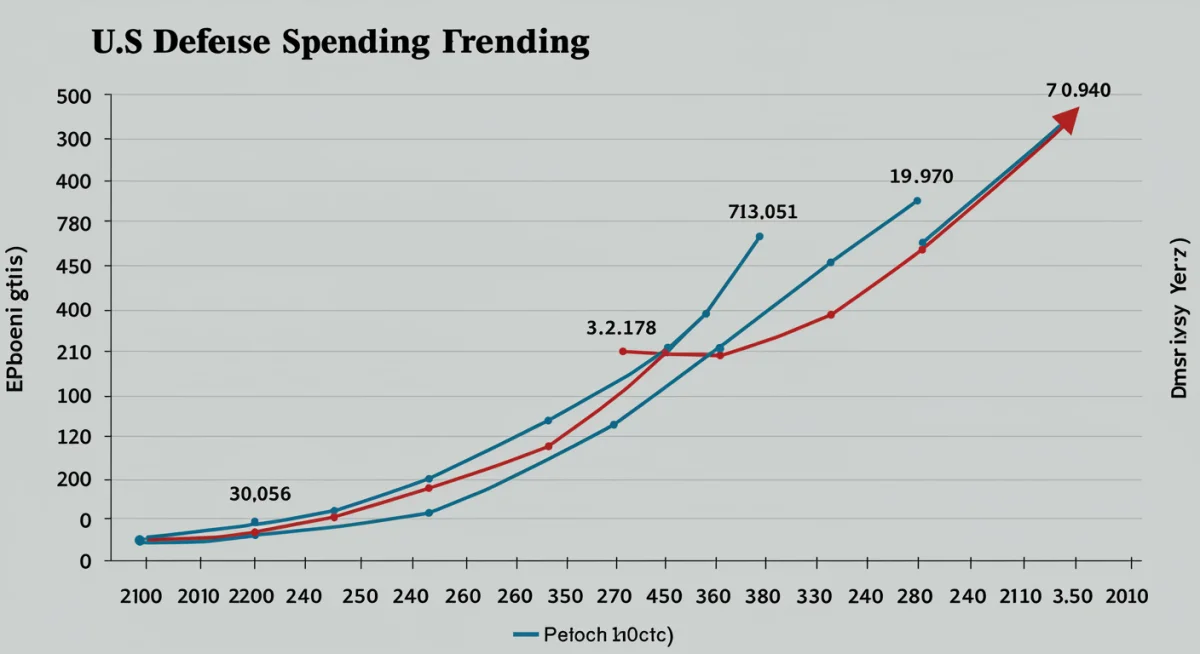
Moreover, the demand for advanced materials and components stimulates growth in related industries, creating a ripple effect throughout the supply chain. This industrial growth can foster innovation and competitiveness within the domestic manufacturing sector, making it more robust and capable.
Technological Spinoffs and Research Investment
Defense spending is a major catalyst for research and development. Investments in areas like artificial intelligence, quantum computing, cybersecurity, and advanced materials for military applications often lead to technological breakthroughs that eventually find civilian uses. These spinoffs can create new industries, improve existing technologies, and enhance overall economic productivity. The dual-use nature of many defense technologies provides long-term benefits beyond immediate military applications.
Geopolitical Ramifications and International Relations
The decision to increase US military spending by 8% will inevitably reshape geopolitical dynamics and influence international relations. This move sends a clear message to allies and adversaries alike, signaling the United States’ commitment to maintaining its global leadership and security interests. However, it also raises questions about potential arms races and the balance of power.
Signaling Strength to Allies and Adversaries
For allies, increased US military spending can be a source of reassurance, demonstrating a strong commitment to collective security and burden-sharing. It reinforces the perception of the United States as a reliable security partner, particularly in regions facing heightened tensions. This can strengthen alliances and foster greater cooperation on defense initiatives.
- Enhanced Deterrence: A stronger US military deters potential adversaries from aggressive actions.
- Alliance Reinforcement: Demonstrates commitment to allies, fostering trust and cooperation.
- Global Presence: Supports continued US military presence in key strategic regions.
Conversely, for adversaries, this increase may be perceived as an escalatory step, potentially prompting them to enhance their own military capabilities. This dynamic could lead to an arms race, where nations continuously invest in defense to match or surpass perceived threats, creating a cycle of escalating military budgets and heightened tensions.
Impact on Global Stability and Arms Control
The substantial increase in US military spending could complicate efforts toward international arms control and disarmament. Nations may become less willing to negotiate limitations on their own military capabilities if they perceive a growing threat from a more powerful United States. This could undermine existing arms control treaties and make future agreements more difficult to achieve.
However, proponents argue that a strong US military is crucial for maintaining global stability and deterring major conflicts. They contend that a robust defense posture allows the United States to act as a global policeman, intervening to prevent humanitarian crises and counter aggression. The debate over whether increased spending leads to greater stability or increased instability is complex and ongoing.
Public Opinion and Political Debate
The proposed 8% increase in US military spending is not without its domestic critics and proponents, leading to considerable debate within political circles and among the public. Discussions often revolve around the allocation of national resources, the effectiveness of defense spending, and its alignment with broader societal needs. Understanding these diverse perspectives is crucial for a complete picture.
Arguments For and Against the Increase
Proponents of the budget increase often emphasize the criticality of national security in a volatile world. They argue that robust military funding is essential to protect national interests, deter adversaries, and support global stability. They point to the need for technological superiority and the well-being of service members as primary justifications. From this perspective, defense spending is an investment in peace and security.
- National Security Imperative: Essential for protecting national interests and citizens.
- Global Responsibilities: Enables the US to fulfill its role as a global leader and security provider.
- Economic Benefits: Boosts employment and technological innovation.
Conversely, critics often raise concerns about the opportunity costs associated with such a large defense budget. They argue that these funds could be better allocated to domestic priorities such as education, healthcare, infrastructure, or climate change initiatives. There are also debates about efficiency and accountability within the defense establishment, with some suggesting that existing funds could be utilized more effectively before requesting additional resources.
Political Consensus and Public Perception
Achieving political consensus on military spending can be challenging, as it often divides along ideological lines. While there is general agreement on the importance of a strong defense, the scale and scope of that defense are frequently debated. Public opinion is also varied, with some supporting increased spending for security reasons and others advocating for a redirection of funds towards domestic programs. The narrative surrounding threats and national priorities plays a significant role in shaping these perceptions.
Future Outlook and Long-Term Strategy
The 8% increase in US military spending for the upcoming fiscal year is not an isolated event but rather a component of a broader long-term strategic vision. This vision aims to position the United States effectively in a rapidly changing global environment, ensuring its security and influence for decades to come. Understanding this future outlook requires examining the strategic goals and potential challenges ahead.
Strategic Goals Beyond the Current Fiscal Year
The increased budget supports strategic goals that extend far beyond the immediate fiscal year. These include developing a more resilient and adaptable military force capable of operating across diverse environments, from arctic regions to urban centers. There is also a strong emphasis on fostering partnerships with allied nations, enhancing interoperability, and building collective security frameworks. The long-term strategy involves maintaining a technological lead over potential adversaries, which necessitates continuous investment in research and development.
- Adaptability: Preparing for a wide range of future conflicts and environments.
- Partnerships: Strengthening alliances and developing new security collaborations.
- Innovation: Sustained investment in cutting-edge defense technologies.
Furthermore, the strategy aims to address emerging threats such as cyber warfare, disinformation campaigns, and the weaponization of space. These non-traditional threats require specialized capabilities and innovative approaches that are being funded through the expanded budget.
Challenges and Sustainability of Increased Spending
While the benefits of increased military spending are highlighted, there are also significant challenges to consider. The sustainability of such high levels of defense expenditure over the long term is a constant concern, particularly in the context of national debt and competing domestic priorities. Striking a balance between national security needs and economic realities will be crucial.
Another challenge lies in ensuring that the increased funds are spent efficiently and effectively, avoiding waste and ensuring accountability. Oversight mechanisms and transparent reporting will be vital to justifying these significant investments to the public and policymakers. The long-term success of this increased spending will depend not just on the amount allocated, but on how wisely it is utilized to achieve strategic objectives.
| Key Aspect | Brief Description |
|---|---|
| Budget Increase | US military spending set to rise by 8% for the upcoming fiscal year. |
| Key Drivers | Modernization needs, geopolitical competition, and technological advancements. |
| Economic Impact | Potential for job creation, industrial growth, and technological spinoffs. |
| Global Implications | Signals strength to allies, may provoke arms race with adversaries. |
Frequently Asked Questions About US Military Spending
The increase is primarily driven by the need to modernize aging military equipment, respond to evolving global threats from peer competitors and non-state actors, and invest in advanced defense technologies. It also aims to replenish existing stockpiles and enhance overall military readiness and capabilities.
Key areas include research and development for emerging technologies like AI and hypersonics, procurement of new aircraft and naval vessels, upgrades to ground combat systems, and improvements to military infrastructure. Personnel support, including training and benefits, also remains a significant focus.
Economically, the increase is expected to stimulate job creation in the defense and technology sectors, foster industrial growth, and drive innovation through defense-related research and development. However, it also raises questions about the allocation of national resources and potential opportunity costs for other sectors.
The increase signals strong commitment to national security and global leadership, reassuring allies. However, it could also be perceived as an escalatory move by adversaries, potentially leading to an arms race or complicating international arms control efforts. It aims to enhance deterrence and maintain global stability.
The long-term sustainability of such high defense expenditures is a subject of ongoing debate. While crucial for national security, concerns exist regarding its impact on national debt and competing domestic priorities. Efficient allocation and transparent oversight will be key to ensuring the wise use of these significant investments.
Conclusion
The projected 8% increase in US military spending for the upcoming fiscal year underscores a pivotal moment in national defense strategy. Driven by modernization imperatives, evolving geopolitical landscapes, and technological advancements, this budgetary expansion aims to fortify national security and maintain global leadership. While offering significant economic benefits through job creation and innovation, the decision also sparks crucial debates regarding resource allocation, potential international ramifications, and long-term sustainability. Ultimately, this substantial investment reflects a complex interplay of domestic priorities and global ambitions, setting a new trajectory for the United States’ role in an increasingly interconnected and volatile world.