Federal Funding Changes: K-12 Education Impact in 2025
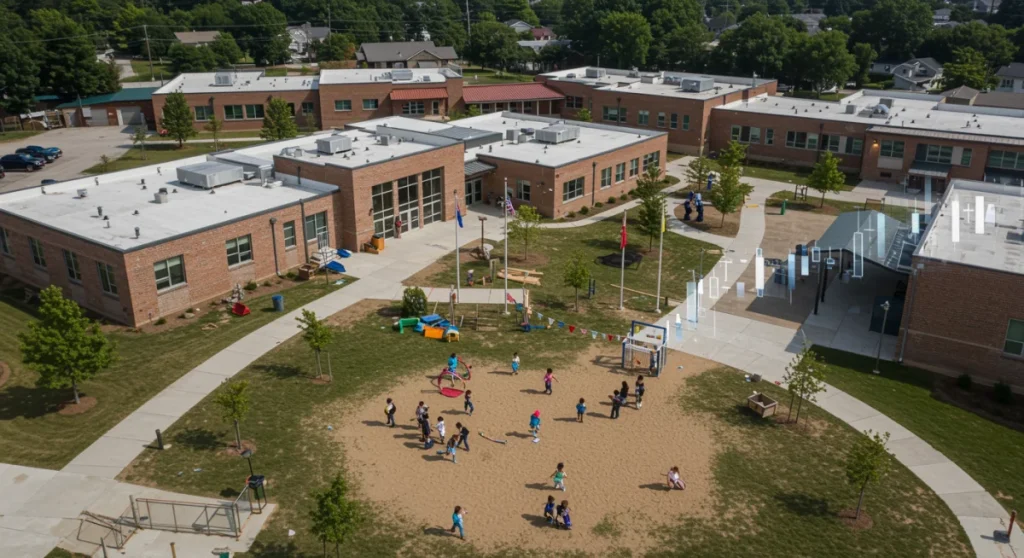
Anticipated federal funding changes for K-12 schools in 2025 are poised to significantly reshape educational landscapes, influencing resource allocation, program development, and equity initiatives nationwide.
As 2025 approaches, discussions around federal education funding 2025 are reaching a fever pitch, signaling potential monumental shifts in how K-12 schools across the United States operate and serve their students. These anticipated changes are not merely bureaucratic adjustments; they represent a fundamental re-evaluation of national educational priorities, with far-reaching implications for curriculum development, teacher support, and equitable access to quality learning environments.
Understanding the Current Landscape of Federal K-12 Funding
Before delving into the projected changes for 2025, it’s crucial to grasp the existing framework of federal K-12 funding. The federal government plays a supplementary, yet critical, role in funding public education, primarily through various grant programs designed to address specific national educational goals and support vulnerable student populations. These funds often target areas where state and local resources may fall short, aiming to promote equity and improve outcomes for all students.
The Elementary and Secondary Education Act (ESEA), as reauthorized by the Every Student Succeeds Act (ESSA) in 2015, stands as the cornerstone of federal K-12 policy. ESSA provides states with greater flexibility in designing their accountability systems and intervention strategies, while still maintaining a federal commitment to educational equity. Key programs under ESSA include Title I-A, which provides financial assistance to local educational agencies (LEAs) and schools with high numbers or high percentages of children from low-income families to help ensure that all children meet challenging state academic standards.
Key Federal Funding Streams
Several significant federal funding streams currently support K-12 education, each with distinct objectives:
- Title I-A (Improving Basic Programs Operated by Local Educational Agencies): This is the largest federal program for K-12 education, focusing on supporting disadvantaged students.
- Individuals with Disabilities Education Act (IDEA): Ensures that children with disabilities have access to a free appropriate public education.
- Title II-A (Supporting Effective Instruction): Provides funds to states and LEAs to increase the academic achievement of all students by improving teacher and principal quality.
- Title IV-A (Student Support and Academic Enrichment Grants): A flexible block grant program supporting a well-rounded education, safe and healthy students, and effective use of technology.
These programs, often requiring states and districts to meet specific criteria and report on outcomes, aim to level the playing field for students from diverse backgrounds. The impact of these funds is felt in classrooms nationwide, supporting everything from early childhood education initiatives to professional development for educators. Understanding their current scope is essential for anticipating the ripple effects of any future adjustments.
In conclusion, the existing federal funding architecture is complex, designed to augment state and local efforts and address specific educational disparities. Any significant changes in 2025 will inevitably alter the balance and priorities established by these long-standing programs, making it imperative for stakeholders to stay informed.
Anticipated Policy Shifts and Their Rationale
The discussions surrounding federal education funding for 2025 are not happening in a vacuum. They are deeply intertwined with broader policy shifts, economic considerations, and evolving national educational priorities. Several factors are driving these anticipated changes, ranging from a re-evaluation of past program effectiveness to new societal demands and technological advancements.
One primary driver is the ongoing debate about educational equity and achievement gaps. Despite significant federal investment, disparities in educational outcomes persist across racial, socioeconomic, and geographic lines. Policymakers are increasingly looking for ways to target resources more effectively to address these persistent challenges, potentially leading to a restructuring of existing grant programs or the introduction of new ones with more stringent accountability measures.
Focus on Specific Educational Outcomes
There’s a growing inclination towards tying federal funds more directly to measurable outcomes, moving beyond inputs (like funding amounts) to focus on outputs (like student proficiency rates, graduation rates, and post-secondary success). This shift could mean a greater emphasis on evidence-based practices and interventions, requiring districts to demonstrate the efficacy of their programs to continue receiving funds.
- Evidence-Based Interventions: Prioritizing programs with proven track records of improving student achievement.
- Data-Driven Decision Making: Requiring states and districts to utilize robust data to inform funding allocation and program design.
- Accountability for Results: Implementing stronger mechanisms to ensure federal funds lead to tangible improvements in student learning.
Another rationale for policy shifts stems from the economic climate and budgetary constraints. Federal budgets are always subject to political negotiations and economic realities. Depending on the prevailing economic conditions and the priorities of the administration and Congress, there could be calls for either increased investment in education or, conversely, a push for greater fiscal discipline, potentially leading to cuts or reallocations.
Furthermore, emerging educational trends, such as the increasing importance of STEM education, digital literacy, and socio-emotional learning, are also influencing policy discussions. There’s a recognition that the skills needed for the 21st-century workforce are evolving, and federal funding may be redirected to support innovative programs that prepare students for these new demands.
In essence, the anticipated policy shifts for 2025 are a response to a complex interplay of persistent challenges, evolving priorities, and fiscal realities. The goal is to refine federal intervention to create a more effective, equitable, and future-ready education system.
Potential Impact on K-12 Schools and Districts
The ripple effects of federal funding changes in 2025 will be felt profoundly at the local level, directly impacting K-12 schools and the districts that manage them. These changes could necessitate significant adjustments in budgeting, program planning, and resource allocation, potentially creating both opportunities and challenges for educators and administrators nationwide.
One of the most immediate impacts could be on staffing. Schools heavily reliant on federal grants for specialized positions—such as reading specialists, special education teachers, or counselors—might face difficult decisions if funding levels decrease or eligibility criteria change. Conversely, an increase in targeted funding could allow districts to expand these vital support services, addressing critical student needs.
Curriculum and program offerings are also likely to be affected. If federal priorities shift towards certain areas, such as STEM or early literacy, schools might find themselves with more resources to develop or enhance programs in these fields. Conversely, programs that do not align with new federal directives could see their funding reduced, forcing districts to seek alternative revenue sources or scale back initiatives.
Challenges and Opportunities for Districts
- Budgetary Constraints: Districts may need to re-evaluate their financial strategies, potentially leading to difficult cuts or the need to find new local funding.
- Program Re-alignment: Schools might need to adapt existing programs or develop new ones to align with updated federal funding requirements and priorities.
- Increased Reporting: New accountability measures could mean more administrative burden for schools and districts to demonstrate effective use of funds.
Furthermore, the emphasis on data-driven decision-making and evidence-based practices could mean that districts will need to invest more in data collection, analysis, and research to justify their programs and secure future funding. This could be an opportunity to build stronger, more effective programs, but it also presents a challenge for districts with limited capacity in these areas.
Ultimately, the impact on K-12 schools will vary depending on their specific demographics, existing resource levels, and capacity to adapt. While some districts may thrive under new funding structures, others might struggle to maintain essential services if the changes are not carefully managed and supported. The key will be proactive planning and a clear understanding of the new federal landscape.
Equity and Access: Addressing Disparities in Funding
A central theme in any discussion about federal education funding 2025 is the perennial challenge of equity and access. Federal funds are often intended to bridge funding gaps and provide additional resources to schools serving high-need student populations. However, the effectiveness of these efforts is constantly under scrutiny, and anticipated changes are likely to focus on refining how federal dollars contribute to a more equitable educational system.
Historically, schools in low-income communities and those serving a high percentage of minority students often face significant resource disparities compared to their wealthier counterparts. While federal programs like Title I aim to mitigate these differences, critics argue that the funding is often insufficient or not always directed in ways that maximize its impact on the most vulnerable students.
Targeting Resources for Vulnerable Populations
Future federal funding models may seek to more aggressively target resources to districts with the highest concentrations of poverty, students with disabilities, English language learners, and other historically underserved groups. This could involve:
- Revised Allocation Formulas: Adjusting formulas to better reflect the true costs of educating high-need students.
- Increased Funding for Specific Programs: Boosting support for initiatives proven to benefit vulnerable populations, such as early childhood education or mental health services.
- Incentives for Equitable Practices: Offering additional funds to districts that demonstrate a commitment to equitable resource distribution and outcomes.
The debate around equitable access also extends to the quality of teaching and school leadership. Federal funding can play a crucial role in attracting and retaining highly qualified educators in challenging schools through competitive salaries, professional development opportunities, and support programs. Changes in 2025 could either strengthen or weaken these efforts, depending on the policy direction.
Furthermore, access to modern technology and robust infrastructure is increasingly seen as an equity issue. The digital divide, highlighted during the recent pandemic, exposed significant disparities in students’ access to reliable internet and learning devices. Future federal funding could include targeted investments to ensure all students have the tools necessary for 21st-century learning.
Ultimately, the success of any federal funding changes in 2025 will be measured by their ability to genuinely narrow achievement gaps and ensure that every student, regardless of their background or zip code, has access to a high-quality education. The focus on equity and access remains a critical benchmark for evaluating proposed reforms.
The Role of Technology and Innovation in Future Funding
As education continues to evolve, the integration of technology and innovative teaching methodologies is becoming paramount. Federal funding changes in 2025 are expected to reflect this trend, with a potential emphasis on supporting initiatives that leverage technology to enhance learning outcomes and prepare students for a rapidly changing world.
The past few years have underscored the critical role of digital learning tools, not just as supplementary resources but as foundational components of a modern education system. Future federal programs may prioritize investments in educational technology infrastructure, professional development for teachers in digital pedagogy, and the development of high-quality online learning content.

Funding for Digital Transformation
Anticipated funding initiatives could focus on several key areas related to technology and innovation:
- Broadband Access: Expanding access to high-speed internet in underserved rural and urban areas to close the digital divide.
- EdTech Integration: Supporting the adoption and effective use of educational technology tools in classrooms, from interactive whiteboards to personalized learning platforms.
- Teacher Training: Providing professional development for educators to effectively integrate technology into their teaching practices.
- STEM and Computer Science: Increasing funding for programs that promote science, technology, engineering, and mathematics education, including computer science.
Beyond hardware and software, innovation in teaching practices is also likely to be a focus. This could include funding for pilot programs exploring new pedagogical approaches, such as project-based learning, competency-based education, or blended learning models. The goal would be to identify and scale effective innovations that can improve student engagement and mastery of complex skills.
Another aspect of innovation involves data analytics in education. Federal funding might support systems that allow districts to better collect, analyze, and utilize student data to personalize learning experiences, identify struggling students early, and measure program effectiveness. This data-driven approach is key to ensuring that investments in technology and new programs are yielding positive results.
In summary, the federal funding landscape in 2025 is expected to recognize the transformative power of technology and innovation in education. By strategically investing in these areas, the aim is to create more dynamic, engaging, and effective learning environments that prepare all students for future success.
Advocacy and Stakeholder Engagement
As federal funding changes for K-12 schools loom in 2025, the voices of various stakeholders will be crucial in shaping the final policies and ensuring that the needs of students, educators, and communities are adequately addressed. Advocacy groups, parent organizations, teacher unions, and school administrators all play a vital role in influencing legislative decisions and communicating the real-world impact of funding choices.
Engaging with policymakers is not merely about requesting more funds; it’s about providing evidence-based arguments for specific investments, highlighting successful programs, and articulating the challenges faced by schools on the ground. This involves active participation in public hearings, submitting testimony, and direct communication with elected officials and their staff.
Key Stakeholders and Their Contributions
Different groups bring unique perspectives and expertise to the advocacy table:
- Educator Associations: Representing teachers, principals, and other school staff, these groups advocate for resources that support professional development, fair compensation, and manageable class sizes.
- Parent and Student Advocacy Groups: Focus on ensuring equitable access to quality education, special education services, and programs that meet the diverse needs of students.
- School Boards and Administrators: Provide insights into the operational and budgetary realities of running schools, advocating for flexible funding and reduced administrative burdens.
- Research and Policy Organizations: Offer data, analysis, and policy recommendations to inform legislative debates and promote evidence-based decision-making.
The process of influencing federal funding decisions is often complex and lengthy, requiring sustained effort and strategic collaboration among various stakeholders. Building broad coalitions that represent a wide range of interests can amplify advocacy efforts and increase the likelihood of favorable outcomes for K-12 education.
Furthermore, public awareness campaigns are essential to educate the general public about the importance of federal education funding and its impact on local communities. When citizens understand how these funds benefit their children and schools, they are more likely to support increased investment and advocate for policies that prioritize education.
In conclusion, the period leading up to 2025 will be critical for advocacy. By actively engaging with policymakers, providing compelling evidence, and fostering public support, stakeholders can help ensure that federal funding changes ultimately serve the best interests of K-12 students across the nation.
Preparing for the Future: Strategies for Schools and Districts
Given the anticipated federal funding changes for K-12 schools in 2025, proactive preparation is not just advisable, but essential for districts and individual schools. Developing robust strategies now can help mitigate potential challenges and capitalize on new opportunities, ensuring continued stability and effectiveness in educational provision.
One critical strategy involves conducting a thorough audit of current funding sources and expenditures. Districts need to understand precisely which programs and services are supported by federal funds, and what the potential impact would be if those funds were reduced, reallocated, or made subject to new performance metrics. This financial mapping provides a clear picture of vulnerabilities and strengths.
Strategic Planning for Adaptation
Effective preparation entails several key components:
- Diversifying Funding Streams: Exploring additional state, local, and private funding opportunities to reduce over-reliance on a single federal source.
- Building Fiscal Reserves: Where possible, establishing contingency funds to buffer against unexpected reductions in federal aid.
- Investing in Grant Writing Capacity: Enhancing the district’s ability to secure competitive grants that align with new federal priorities.
- Professional Development for Adaptability: Training staff to be flexible and innovative in program delivery, even with shifting resources.
Another crucial strategy is to foster strong relationships with state and local government officials. These relationships can be invaluable for understanding state-level responses to federal changes, advocating for state support, and aligning local educational goals with broader regional priorities. Collaboration with community partners also strengthens a school’s resource base and can provide alternative support for programs.
Furthermore, districts should prioritize communication with all stakeholders—parents, teachers, students, and community members—about potential changes and the strategies being implemented to address them. Transparency helps build trust and can garner support for difficult decisions that may need to be made.
Finally, continuous monitoring of legislative developments at the federal level is paramount. Policy discussions and budgetary allocations are dynamic, and staying informed allows districts to anticipate changes and adjust their strategies in real-time. This proactive approach ensures that schools can continue to provide high-quality education, regardless of shifts in the federal funding landscape.
| Key Point | Brief Description |
|---|---|
| Policy Shifts | Anticipated changes driven by equity, outcome focus, and economic factors. |
| Impact on Schools | Affects staffing, curriculum, and district budgeting; requires adaptation. |
| Equity Focus | New formulas and targeted funds aim to address disparities for vulnerable students. |
| Preparation | Districts should audit funds, diversify sources, and engage stakeholders. |
Frequently Asked Questions About Federal Education Funding
The primary purpose of federal K-12 education funding is to supplement state and local efforts, promote educational equity, and address specific national priorities. It often targets disadvantaged students, those with disabilities, and programs aimed at improving teacher quality and academic achievement across the board.
Changes in 2025 could significantly impact local school budgets by altering allocation formulas, increasing or decreasing overall funding levels, or shifting priorities. Districts might need to reallocate resources, seek alternative funding, or adjust staffing and program offerings to align with new federal directives and requirements.
Yes, there is an anticipated trend towards greater emphasis on specific educational areas such as STEM (Science, Technology, Engineering, and Mathematics), digital literacy, and evidence-based interventions. Future federal funding could be strategically directed to support and expand programs in these critical fields to prepare students for future workforce demands.
Accountability measures are central to federal funding, ensuring that funds are used effectively and lead to measurable improvements in student outcomes. These measures often include reporting requirements, data analysis, and the demonstration of evidence-based practices, which help justify continued investment and ensure responsible use of taxpayer dollars.
Schools and districts can prepare by conducting financial audits, diversifying funding sources, building fiscal reserves, and enhancing grant-writing capabilities. Strong advocacy, stakeholder engagement, and continuous monitoring of legislative developments are also crucial for adapting to and influencing federal funding changes effectively.
Conclusion
The prospect of significant federal education funding 2025 changes marks a pivotal moment for K-12 schools across the United States. These anticipated shifts, driven by a complex interplay of economic factors, evolving educational priorities, and a renewed focus on equity and outcomes, will undoubtedly reshape the landscape of public education. While challenges in adapting to new regulations and potential resource reallocations are inevitable, they also present opportunities for innovation and a more targeted approach to student support. Proactive planning, robust stakeholder engagement, and a continuous commitment to evidence-based practices will be crucial for schools and districts to navigate this evolving environment successfully and ensure that all students continue to receive a high-quality education.